
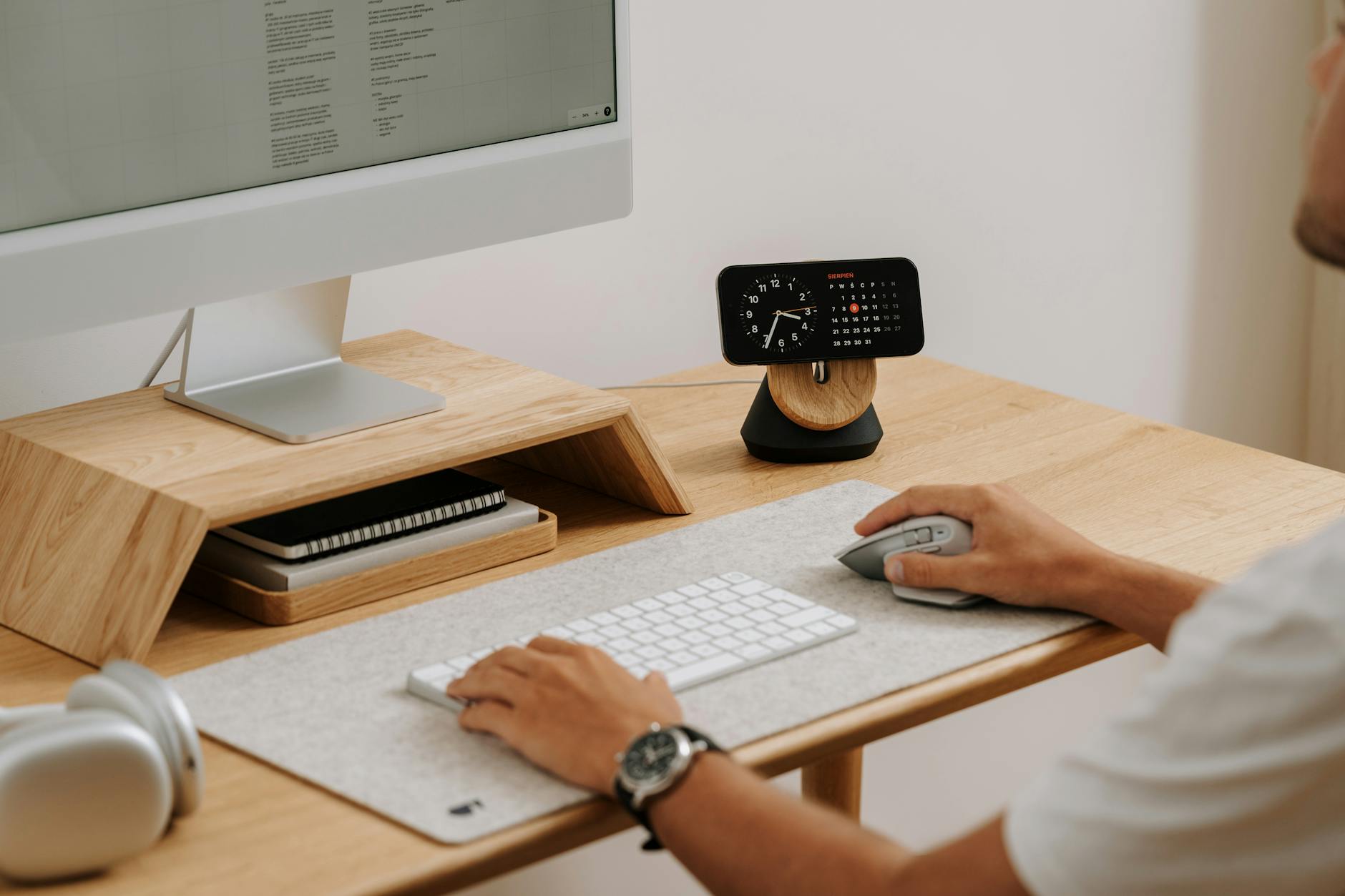
At 9:30 p.m., your laptop is still glowing on the kitchen table, your phone keeps lighting up with “quick” messages, and the healthy routine you swore you’d protect this week is already slipping through your fingers. On Monday, you had a plan: move more, sleep earlier, stop doom-scrolling at night. By Thursday, you’re eating dinner while replying to notifications and promising yourself you’ll reset “tomorrow.”
If this sounds familiar, you’re not broken—you’re overloaded. Most people don’t need another complicated wellness app. They need a tiny system that works on regular, tired, distracted human energy. That’s where a beginner-friendly AI wellness stack can help: simple support for habits, stress awareness, and digital hygiene, without pretending to be medical care or life optimization theater.
This guide keeps it practical, realistic, and easy to start this week.
What an AI wellness stack is (and why beginners actually stick with it)
Think of an AI wellness stack as a lightweight support team with three jobs:
- Habit coaching: helping you complete tiny actions consistently.
- Stress check-ins: catching pressure before you hit burnout mode.
- Digital hygiene: reducing notification chaos so your brain can breathe.
People usually fail at wellness changes for one reason: they try to fix everything at once. Beginners win by lowering friction. AI is useful because it can adapt in real time—short prompts, simple check-ins, and smaller goals when life gets messy.
A good starter stack should feel:
- Usable in under 10 minutes per day
- Flexible on chaotic days
- Simple enough to repeat for months, not days
If your routine depends on perfect discipline, it dies fast. If your routine still works when you’re exhausted, it survives.
Layer 1: Habit coaching that works when your day is packed
Start with one assistant and one daily question:
“What is one tiny action that would make today feel better?”
That question changes the game because it lowers resistance. Your AI coach can run a basic rhythm:
1. Morning (2 minutes): suggest 3 tiny actions under 10 minutes.
2. Midday (30 seconds): ask your energy level (high/medium/low).
3. Evening (2 minutes): log one win and one adjustment for tomorrow.
Examples of tiny wins:
- Drink water before your first coffee.
- Walk for 7 minutes after lunch.
- Take 4 slow breaths before opening your inbox.
- Stretch once between meetings.
Notice the pattern: no dramatic transformations, just repeatable actions. Consistency beats intensity for beginners every single time.
If you want your assistant to give sharper, more useful responses, it helps to learn better prompt structure from the start. A practical way to do that is studying ChatGPT for Work (Udemy) and then applying those prompt frameworks directly to your daily routine planning.
Try this starter prompt:
“Be my friendly habit coach. Give me 3 low-effort wellness actions for today. Keep each under 10 minutes. If my day gets chaotic, help me choose one minimum win so I still end the day with momentum.”
Layer 2: Stress check-ins without turning your life into a spreadsheet
You don’t need a 40-minute journaling ritual. You need awareness early enough to intervene.
A 30-second AI check-in once or twice a day is enough:
- Stress level from 1 to 10
- One body signal (tight shoulders, shallow breath, headache)
- One likely trigger (overload, conflict, uncertainty, poor sleep)
- One next action (pause, walk, hydrate, delegate, delay)
After 7–14 days, patterns usually emerge. Maybe your stress spikes after stacked meetings. Maybe it rises when you skip lunch. Maybe your evenings are worse after late social scrolling. Your AI can summarize patterns and suggest changes that are actually realistic.

A useful prompt:
“Run a 30-second stress check-in with me. Ask 4 brief questions, then suggest one calming action for now and one prevention action for tomorrow.”
One important boundary: this is a non-clinical system. It supports everyday wellbeing, self-awareness, and daily routines. It does not replace therapy, diagnosis, or medical treatment. If symptoms become persistent, severe, or unsafe—like ongoing panic, depression, or thoughts of self-harm—seek licensed professional help or emergency services immediately.
Layer 3: Digital hygiene to protect focus, mood, and sleep
Most people blame stress on major life events, but low-grade digital overload drains energy all day. Constant pings, fragmented attention, and unfinished loops keep your nervous system “on” longer than you realize.
Your AI assistant can help implement three simple digital hygiene rules:
- Notification windows: check non-urgent notifications at set times instead of constantly.
- Inbox triage blocks: classify messages into now / later / delegate / archive.
- Evening shutdown: close open loops, set top 3 tasks for tomorrow, pick a clear first action.
This creates cognitive closure—the feeling that the day is complete enough to stop. And that matters for better sleep.
If planning chaos is your main stress trigger, strengthening your execution system often helps more than adding another app. Learning practical prioritization methods through Project Management (Udemy) can make your workday less reactive and your evenings much calmer.
For the bedtime scroll habit, one physical boundary can be surprisingly effective: keep a low-distraction reading device nearby so your default isn’t endless app hopping. Many people find that winding down with Kindle Paperwhite (Amazon UK) makes it easier to reduce blue-light-heavy phone use before sleep.
Your 7-day beginner plan (copy, paste, start tonight)
Don’t deploy everything in one burst. Build in layers.
Days 1–2: Habits only
- Use the morning habit prompt.
- Complete one minimum win daily.
Days 3–4: Add stress check-ins
- Check in before lunch and late afternoon.
- Track trigger + next action.
Days 5–6: Add digital hygiene
- Disable non-essential push notifications.
- Run a 10-minute evening shutdown routine.
Day 7: Review and simplify
- Ask AI: “What patterns did you notice this week?”
- Keep one habit, one check-in, one hygiene rule.
- Remove any step you ignored repeatedly.

That’s your beginner AI wellness stack: small, non-clinical, and sustainable.
You don’t need a perfect routine—you need a repeatable one. Start tonight with one tiny habit, one short stress check-in, and one clear digital boundary. If it feels almost too easy, that’s usually a good sign. Easy systems get repeated, and repeated systems are the ones that quietly change your life over time.
Affiliate Disclosure: This article may include affiliate links to products or services we recommend, such as those from Udemy, Hotmart, Amazon, or Todoist. If you make a purchase through these links, we may earn a small commission at no extra cost to you. These commissions help us keep ZenTechFlow.com running and continue providing valuable tips and reviews to support your journey toward technological wellness. Thank you for your support!